 TRUSTED BY TAMPA BAY HOMEOWNERS
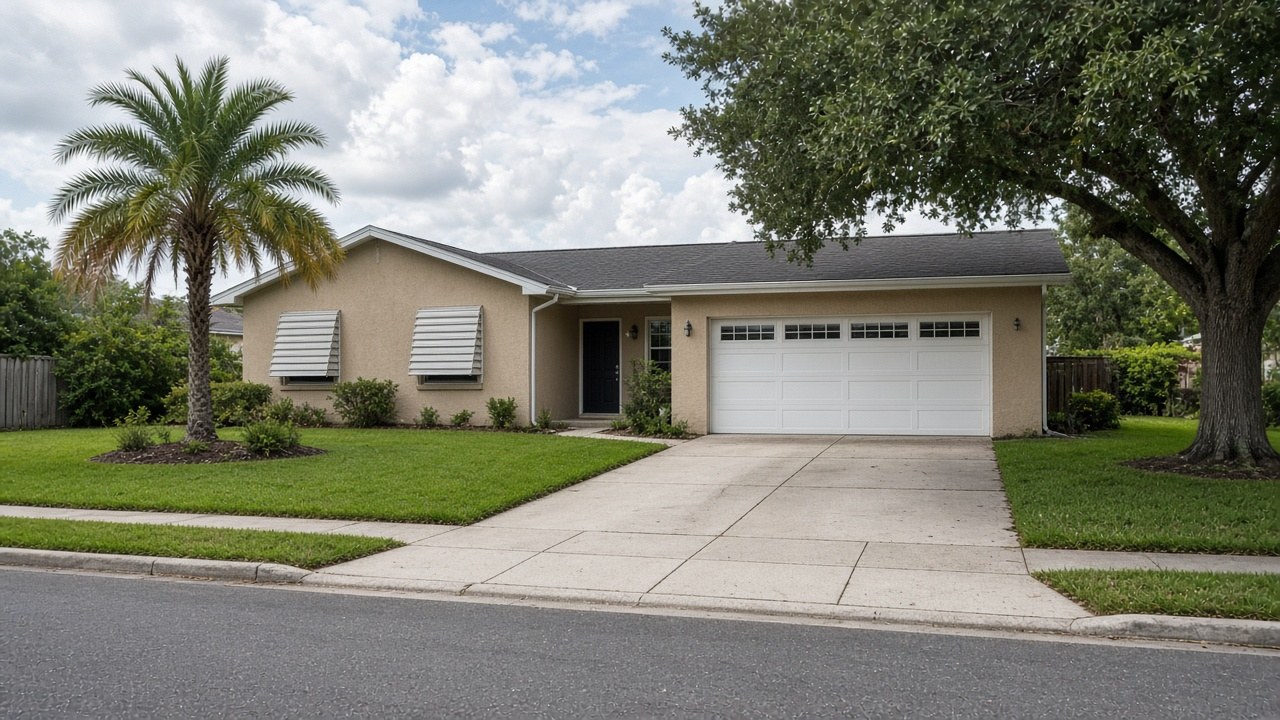
Most of the useful hurricane work on a house is dull, and it goes best when nothing is spinning in the Gulf. Atlantic hurricane season runs June 1 through November 30 (Ready.gov). That's a long stretch. A storm that turns toward Tampa Bay late in the season gives you the same short window as one in August.
This list is for the house: the openings, the water, the yard and the hours after a storm. Whether you stay or leave is a separate decision. Your county emergency management office makes the calls on evacuations, and the National Weather Service and National Hurricane Center issue the forecasts and warnings.
Start with your zone and your house
Look up your address on the state's Know Your Zone map before you buy a single sheet of plywood. Florida's evacuation zones run from A to F. Zone A is generally the most vulnerable and the first to be ordered out (Florida Division of Emergency Management). The state is blunt about storm surge: it's the greatest threat to life in a hurricane, and if your zone is ordered to evacuate, you go.
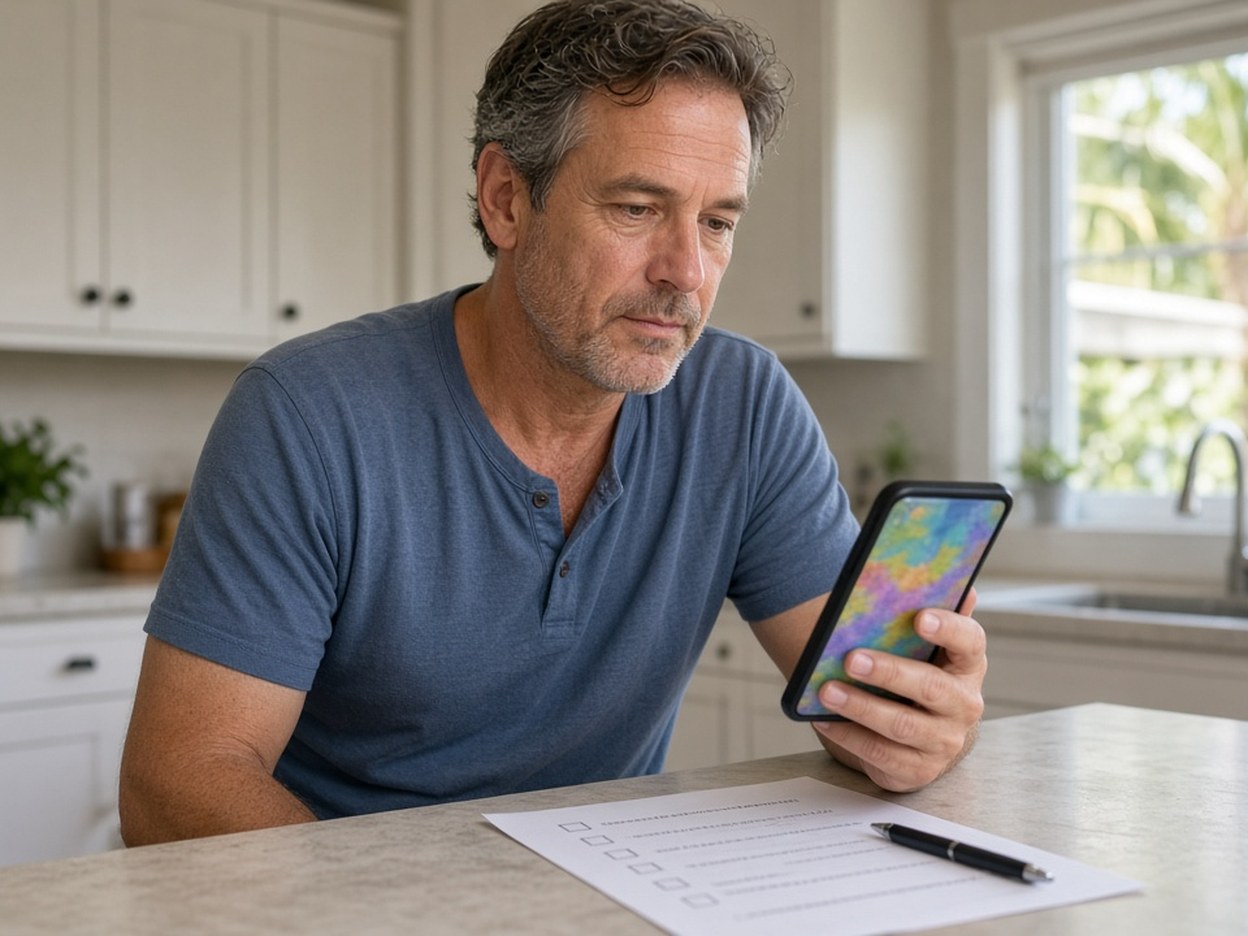
If you're outside an ordered zone and not in a mobile home or a flood-prone spot, sheltering at home may be the safer choice. That puts the weight on the house itself. The same state page says homes built after 2002 generally have features that make them more resistant to hurricanes. It also says the most important step is protecting the places where wind can get in. For most houses, that means the windows, the doors and the garage door.
So the rest of this list comes back to the openings again and again. A pile of patio chairs is easy to fix. A garage door that gives way in the wind is a much bigger problem.
Work to finish while the weather is calm
Ready.gov's short version of strengthening a home is to clear drains and gutters, bring in outside furniture and consider hurricane shutters (Ready.gov). Here's what each of those looks like at a typical Tampa Bay house.
Windows, doors and the garage door
Find out what protection the house already has. It might be roll-down or accordion shutters, removable panels in the garage, impact-rated glass, or nothing at all. If you have panels, pull them out, match each one to its window and count the hardware. Put the panels up once while it's quiet, so you learn what's missing, bent or labeled wrong before you're doing it in the wind.
Open and close the garage door by hand and with the opener, and listen for binding or grinding. Exterior doors should latch firmly, and the weatherstripping and thresholds should seal. Worn caulk and gaps around trim are the sort of small exterior wear that's worth fixing before the season. Our weatherproofing and exterior repairs page explains what to send if you want help with seals, thresholds and weatherstripping.
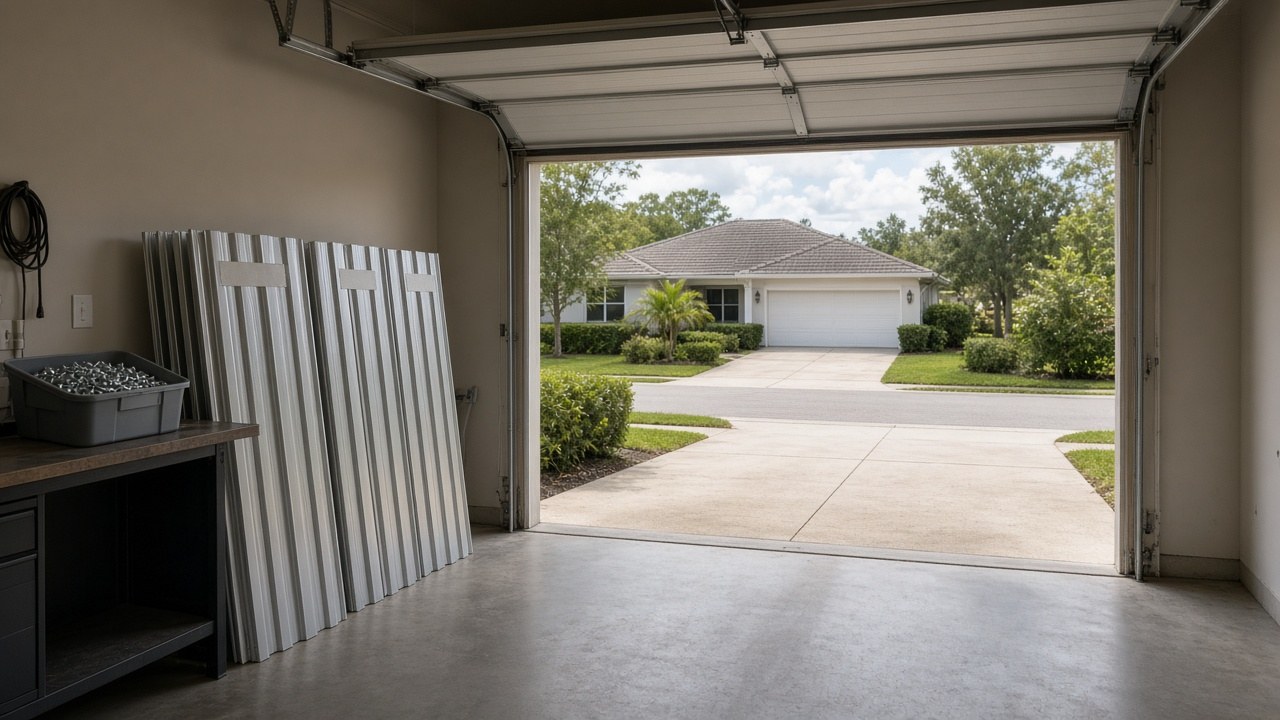
If the house has no window protection, choosing a system is a product and permit question. Get it scoped by licensed installers who know your city or county's rules, well before a storm is on the map.
Gutters, drains and the yard
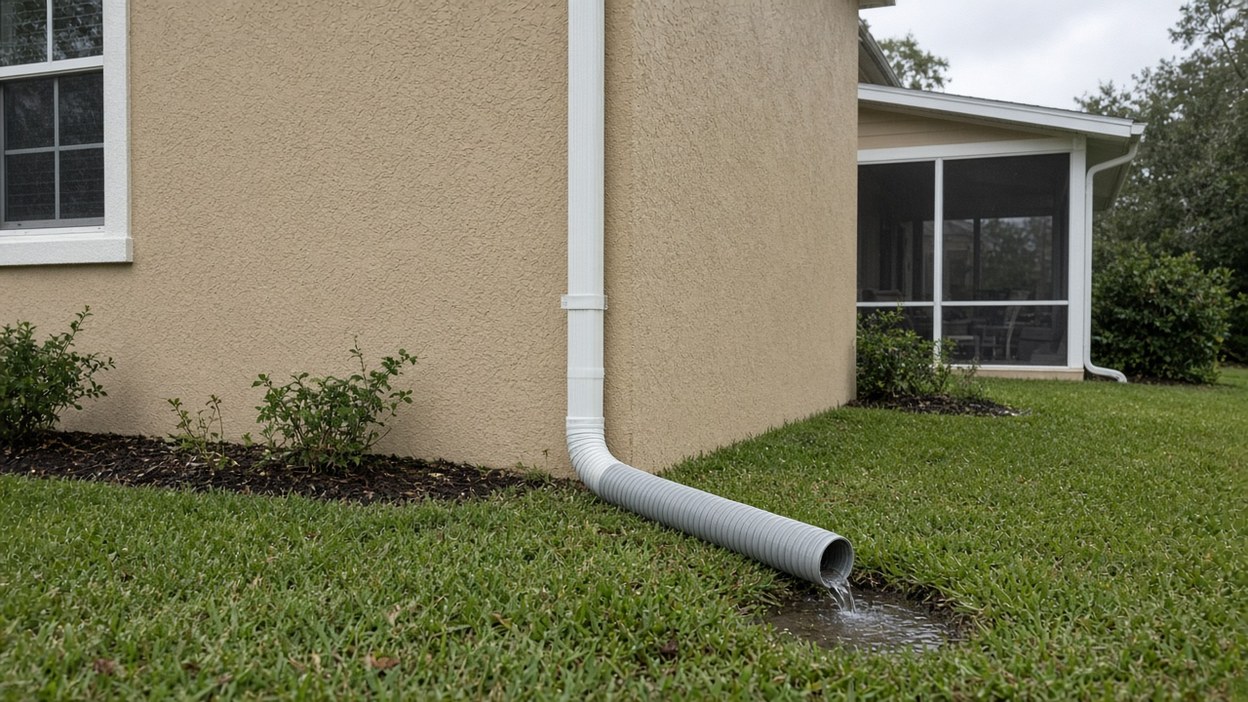
Clear the gutters and downspouts, and check that the water lands away from the slab instead of pooling against it. Walk the yard and lanai and make a note of everything the wind could throw: chairs, planters, grills, decorations, trash bins. Decide now where each item will go when the time comes, so the actual clean-up takes an hour instead of an afternoon.
Shutoffs, photos and paperwork
Find the main water shutoff and the main electrical breaker, and make sure at least two people in the house know where they are. Ready.gov's guidance includes keeping insurance policies and ID up to date and storing copies in a secure, password-protected digital space (Ready.gov). While you're at it, walk around and photograph the outside of the house and each main room. If you have to show an insurer what changed, you'll have a "before" set.
When a storm is in the forecast
Once a storm is forecast for the area, the job shifts from fixing things to securing them. Bring in the items you listed, put up the shutters or panels, and charge phones and backup batteries (Ready.gov). In rooms that could flood, lift electronics, documents and anything you can't replace off the floor. Turn on several ways to receive alerts. Wireless Emergency Alerts need no sign-up, and the FEMA app can show National Weather Service alerts for up to five locations.
If you plan to run a generator
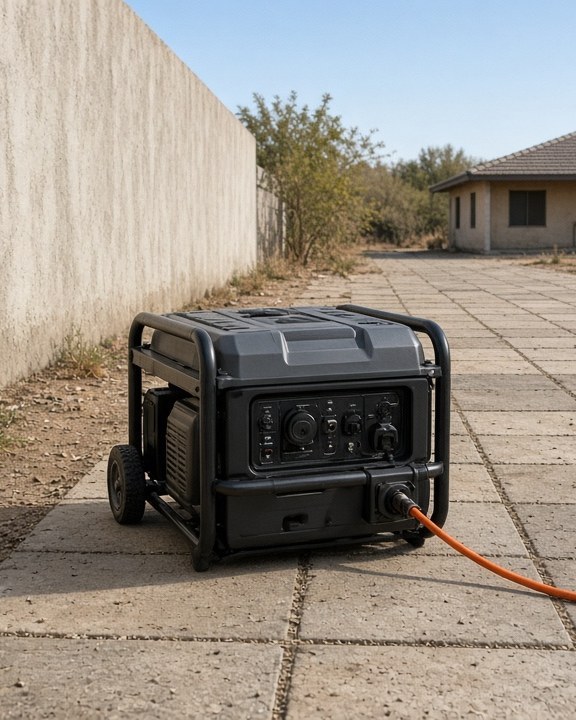
Work out where it will sit before the power goes out. Ready.gov says generators and fuel should always be used outdoors and at least 20 feet from windows, doors and attached garages. It also says to install battery-backup carbon monoxide detectors on every level of the home, keep the generator dry, and let it cool before refueling (Ready.gov). Run appliances from it with heavy-duty extension cords.
After it passes
The danger doesn't end when the wind dies down. Ready.gov's after-storm guidance is short and worth following exactly (Ready.gov):
Listen to local officials
Wait for their information and instructions before you go out to assess anything.
Stay out of floodwater and away from wet electrical equipment
Six inches of fast-moving water can knock you down, and downed or underground lines can electrify standing water. Don't touch electrical equipment if it's wet or you're standing in water. If it's safe to do so, turn off power at the main breaker.
Photograph the damage
Document property damage with photos before anything is moved, then contact your insurance company.
Clean up carefully
Wear protective clothing, work with someone else and use a mask around mold or debris. Ready.gov says children shouldn't help with disaster cleanup.
Before you hire anyone
Unfamiliar repair crews may show up at the door after a storm. Get the scope and price in writing, ask which license covers the work, and look up the license number yourself on MyFloridaLicense.com before you pay anything. Roof tarps and roof repairs belong with a roofer, and anything electrical that got wet belongs with a licensed electrician.
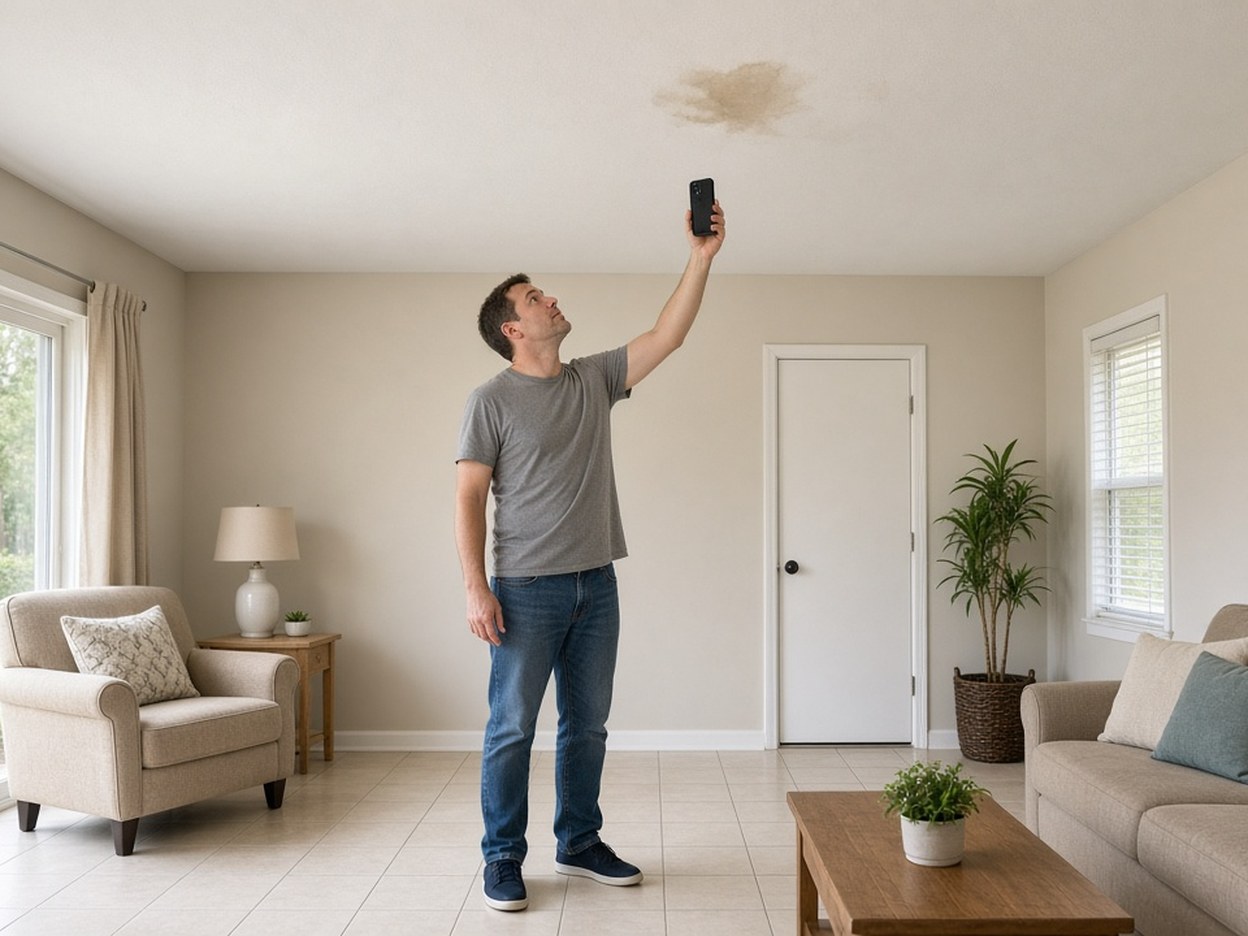
Interior damage like stained ceilings or soft drywall should wait until the leak is fixed and the area is dry. Our drywall and ceiling repair page starts with finding the cause. If your property is in our service area, you can send a repair list and photos, and we'll tell you which items fit a handyman visit and which belong with a licensed trade.
The short list
- Evacuation zone looked up on Know Your Zone
- Shutters or panels located, matched to windows and test-installed
- Garage door, exterior doors and weatherstripping checked
- Gutters and downspouts cleared, with water draining away from the house
- Plan made for every loose item in the yard and lanai
- Main water shutoff and main breaker located
- Before photos taken, and insurance and ID copies stored securely
- Generator spot picked at least 20 feet from windows, doors and the garage, with CO detectors working
Frequently asked questions
When is hurricane season in Florida?
The Atlantic hurricane season runs from June 1 to November 30. Storms can reach Tampa Bay at any point in that window, so the calm-weather work is worth doing early.
How do I find my evacuation zone?
Type your address into the Florida Division of Emergency Management's Know Your Zone map at floridadisaster.org/knowyourzone. Zones run from A to F. Local officials decide which zones are ordered to evacuate for each storm.
How far from the house should a portable generator be?
Ready.gov says at least 20 feet from windows, doors and attached garages, always outdoors, with working carbon monoxide detectors on every level of the home.
What should I do first after the storm?
Wait for local officials to say it's safe. Stay out of floodwater and away from wet electrical equipment. Then photograph the damage before anything is moved and contact your insurer.
Sources
- Ready.gov, "Hurricanes" (page last updated 09/24/2026; accessed 2026-10-14).
- Ready.gov, "Power Outages", generator safety (page last updated 06/04/2026; accessed 2026-10-14).
- Florida Division of Emergency Management, "Know Your Zone, Know Your Home" (accessed 2026-10-14).
- National Hurricane Center, NOAA. Official tropical forecasts, watches and warnings.
- National Weather Service Tampa Bay Area. Local forecasts and alerts.